Renewable Energy
Blooming in Africa
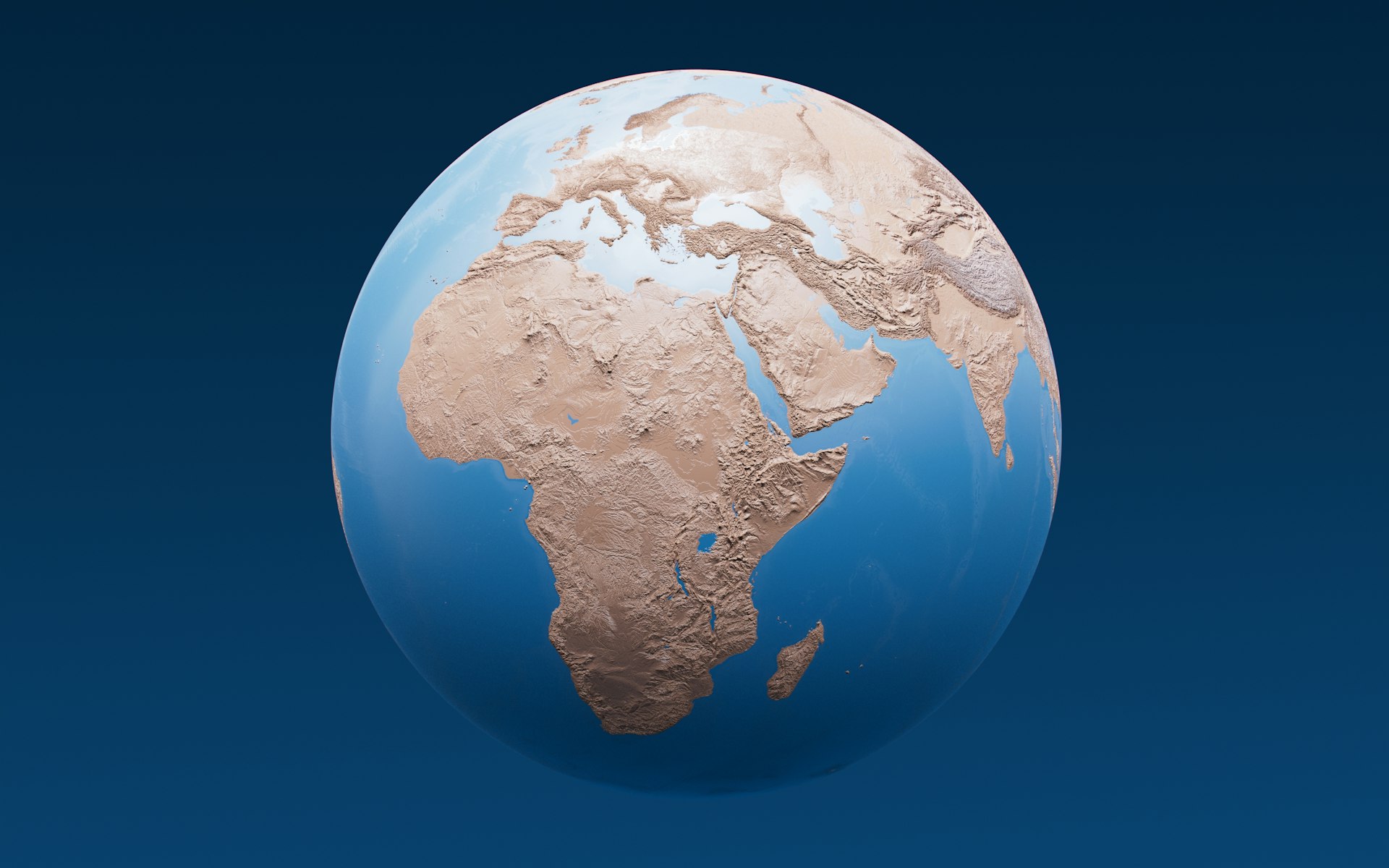
In Africa, limitless potential meets eco-friendly technology to create a new future. Tomorrow will be filled with even more beautiful and clean energy..
We design your happiness, build your dreams
| Key Business
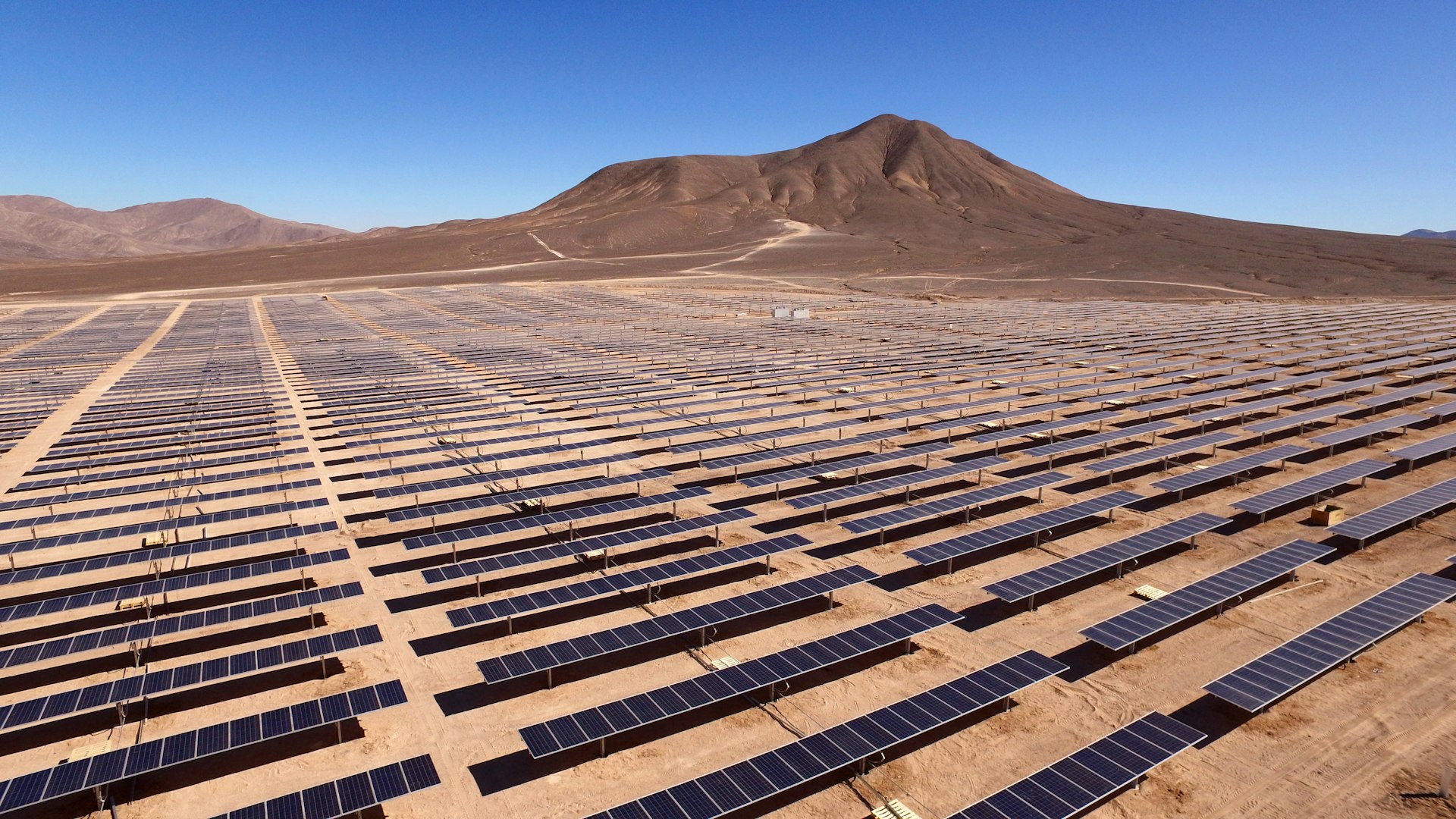
Solar Energy Business
We are continuing to develop renewable energy projects, such as the construction of solar power plants, in African countries including Nigeria, Cameroon, the Central African Republic, Tanzania, Congo, and Burkina Faso.
Bioenergy Business
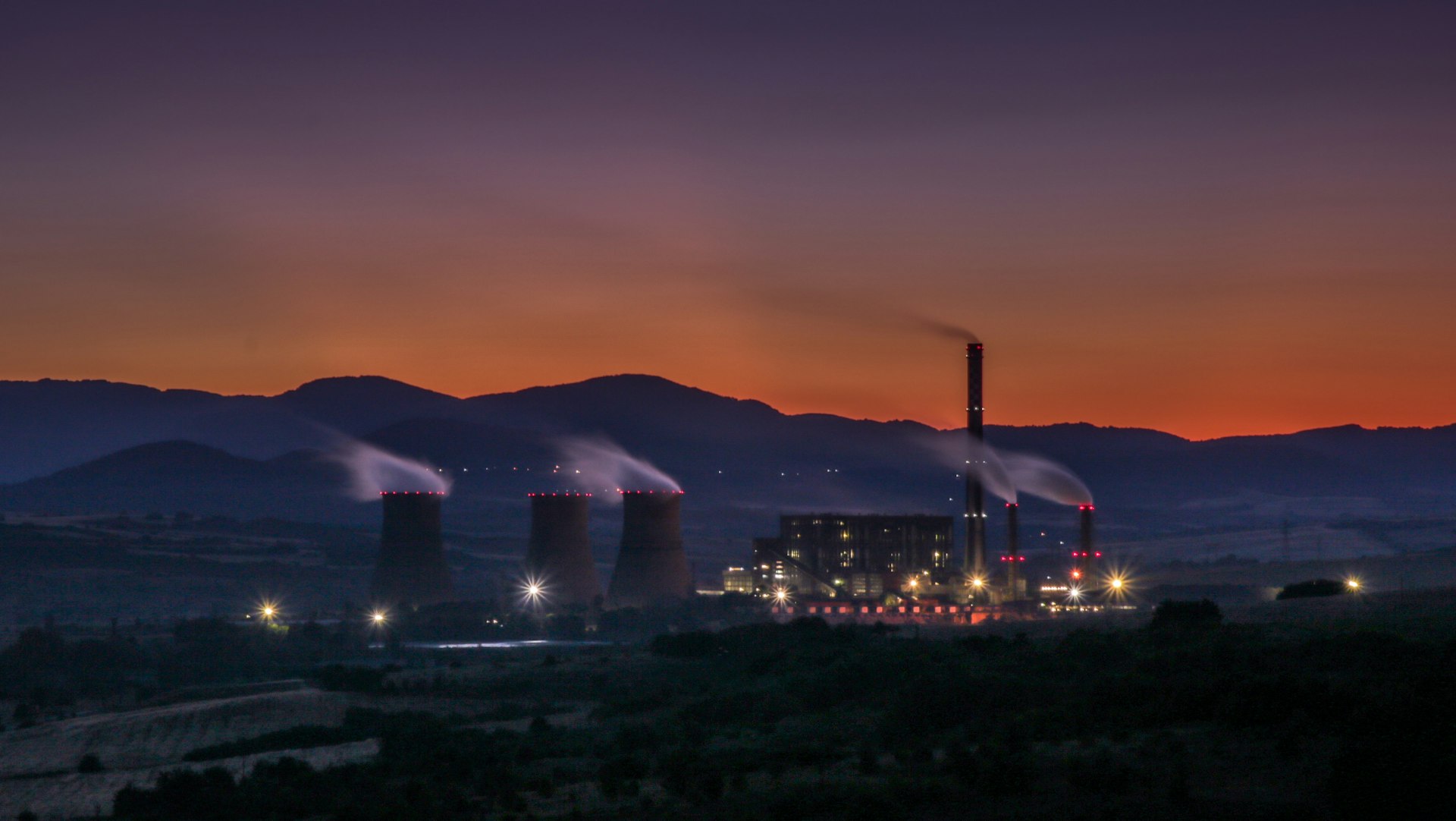
We are improving environmental issues and producing energy from waste resources through waste incineration plants and organic waste (food waste, and livestock manure) biogasification projects.
Engineering Business
Based on our long experience and knowledge in the power plant sector, we provide engineering solutions for various types of power plants, used oil recycling facilities, and renewable energy facilities.

Major Processes of Solar Power
1
Letter of Intent(LOI)
Conduct a preliminary investigation, evaluate marketability, and submit an LOI
2
Memorandum of Understanding(MOU)
Secure project development rights by signing a MOU with the government
3
Power Purchase Agreement(PPA)
Execute a PPA contract based on the results of the feasibility study (FS).
4
Implementation Agreement(IA)
Sign the IA and complete the construction within the proposed timeframe.

Since 2017, BYEOLHAS has been opening up a world of sustainable energy by expanding its renewable energy business in Africa.
Powering Africa, Sustaining Tomorrow.
To make energy use easy.
To make the future brighter.
| New Contents
Check out the latest news from our company!
| Sustainable Energy
We create new technologies in the future energy sector.
Solar Energy
This is a technology that converts sunlight into electricity, primarily using solar panels. It is relatively easy to install and is widely used on building rooftops and in solar farms. Large-scale solar power plants exceeding 100MW are also being built. Power plant development is becoming more active in the Middle East and Africa.
Wind Energy
This technology generates electricity using the power of the wind, primarily through wind turbines. It is categorized into offshore and onshore wind farms. Currently, the construction cost is relatively high compared to other renewable energy sources, but continuous technological advancements are improving generation costs, as well as addressing the issues of noise and scattered materials.
Hydro Energy
This technology generates electricity by using the flow of water, primarily through dams or hydroelectric power plants. While it has the disadvantage of requiring a large water source, it provides a stable source of energy. Recently, large-scale hydroelectric power plants have been identified as a cause of environmental destruction, leading to a trend of increasing small-scale hydropower generation below 5MW.
Geothermal Energy
This is a technology that uses heat from inside the Earth to generate electricity or for heating. It's done through geothermal power plants or geothermal pump systems. While it can be used as an individual energy source, it is generally combined with other renewable energy sources to increase its effectiveness.
Biomass Energy
This technology generates electricity using organic matter from plants or animals as fuel. It utilizes materials such as wood, agricultural waste, and food scraps. Recently, it has emerged as one of the growing future businesses, often developed in conjunction with biogas and waste incineration plant facilities.
Ocean Energy
This is a technology that generates electricity using waves, tides, and ocean temperature differences. Various types of ocean energy power plants are being researched and developed. While many new technologies are being tried, there have been difficulties in generating large-scale energy, and continuous improvements are being made.